Showing posts with label English major. Show all posts

Tuesday, April 16, 2013

Post Colloquium Report

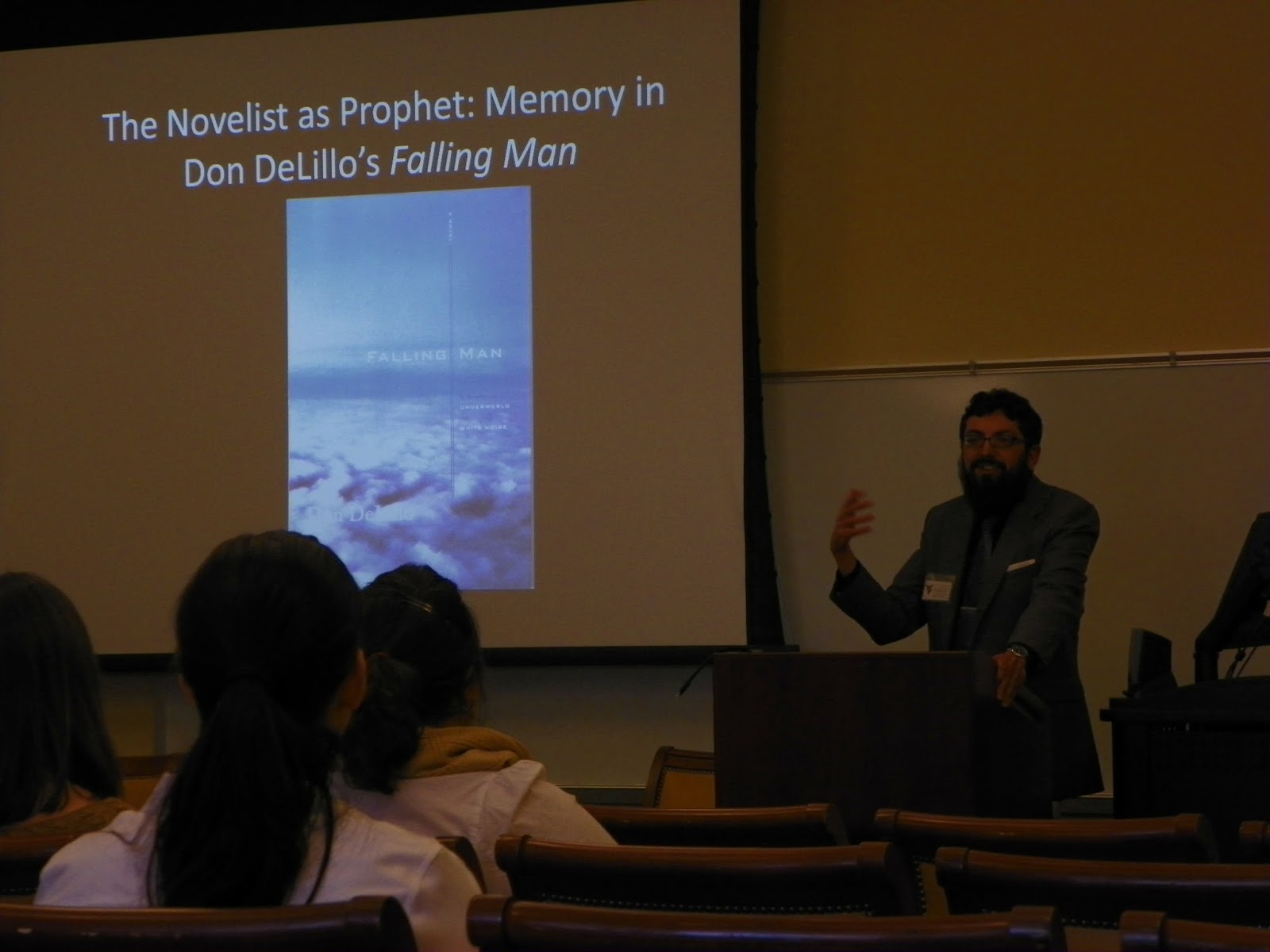
Well, this past Saturday was the 2013 EGO Colloquium, and I think it went well overall. We decided to have the colloquium in Colson Hall this year, which (according to the survey monkey survey about colloquium reactions) seems to have garnered a mixed response. Some people liked being in our own space, but some people feel that the mountainlair is a more professional locale. But in general the responses to the keynote address, plenary session, and panels have been mostly positive, though there were complaints about low panel attendance (which seems run of the mill for the colloquium).

Anyway, here are some pictures from a couple of panels, the plenary session, and the keynote address:




Thursday, November 29, 2012

Irish Lesbian Terrorists! Or, How I Stopped Worrying about Yeats and Learned to Love The Bomb--The Last Lecture, by Lisa Weihman


The English Graduate Organization Presents
The Fall 2012 Last Lecture, by Lisa Weihman:
Irish Lesbian Terrorists!
Or, How I Stopped Worrying about Yeats and Learned to Love
The Bomb


Friday, 7 Dec. 2012 at 7:30PM
Colson 130

Friday, October 29, 2010

"WVU Student Voices: Undergraduate Writing on Display"

As part of WVU's upcoming Mountaineer Week festivities, students from several undergraduate English courses will showcase their writing at the following event:


"WVU Student Voices: Undergraduate Writing on Display"

Friday, November 5, 4-5 p.m.

Bluestone Room, 2nd floor, Mountainlair


This event will be a great opportunity to learn about the many interesting and intellectually engaging ways that WVU undergraduates use writing in their academic lives. A variety of the English department's courses and programs will be represented, including the Undergraduate Writing Program (English 101, 102, and 103); the Shakespeare course (English 363); the Professional Writing & Editing program's Multimedia Writing course (English 303); and the Creative Writing and Literature capstone courses (English 418 and 496).


Please support our undergraduates and their writing by attending this fun, enlightening event.

Monday, April 26, 2010

"It's not easy to write simple and clear documents"

Today's episode of NPR's "Morning Edition" featured a story on the Center for Plain Language and its awards for the most convoluted writing in business and government documents. The online version of the story includes links to and critiques of the award "winners." More importantly, the story ends with one of the contest judges, cartoonist David Malki, speaking to the increasingly important role that professional writers will play in improving the quality of communication between government agencies and businesses and their publics: "It's not easy to write simple and clear documents, especially if they tackle complicated subjects. However, there are a lot of freelance writers who need some work, and they could easily be hired." WVU's Professional Writing and Editing program, of course, prepares both undergraduate and M.A.-level students for just this type of work.

Friday, January 22, 2010

What we mean when we say English majors will "learn how language works"

One critical component of the undergraduate English curriculum in all three tracks--literature, creating writing, and professional writing--is to develop students' understanding of what genres are, how they take shape and get reworked by writers, and what rhetorical and cultural functions that genres serve. Here are two recent New Yorker essays that explore contemporary genres. First, humanities scholar Daniel Mendelsohn examines the increasing popularity of the memoir genre, asking not only the question of why so many people are writing memoirs these days but also why so many readers find this genre to be compelling. In short, Mendelsohn speaks to the cultural significance of this genre as he explains what the popularity of memoirs tells us about ourselves. Second, novelist Junot Díaz considers the importance of narrative as a genre in the political arena. Countering the notion that politicians tell stories only to "spin" an issue or deceive the public, Díaz maintains that the ability to tell compelling narratives is important for politicians because stories are the basic tool that we all use to make sense of the world around us.